

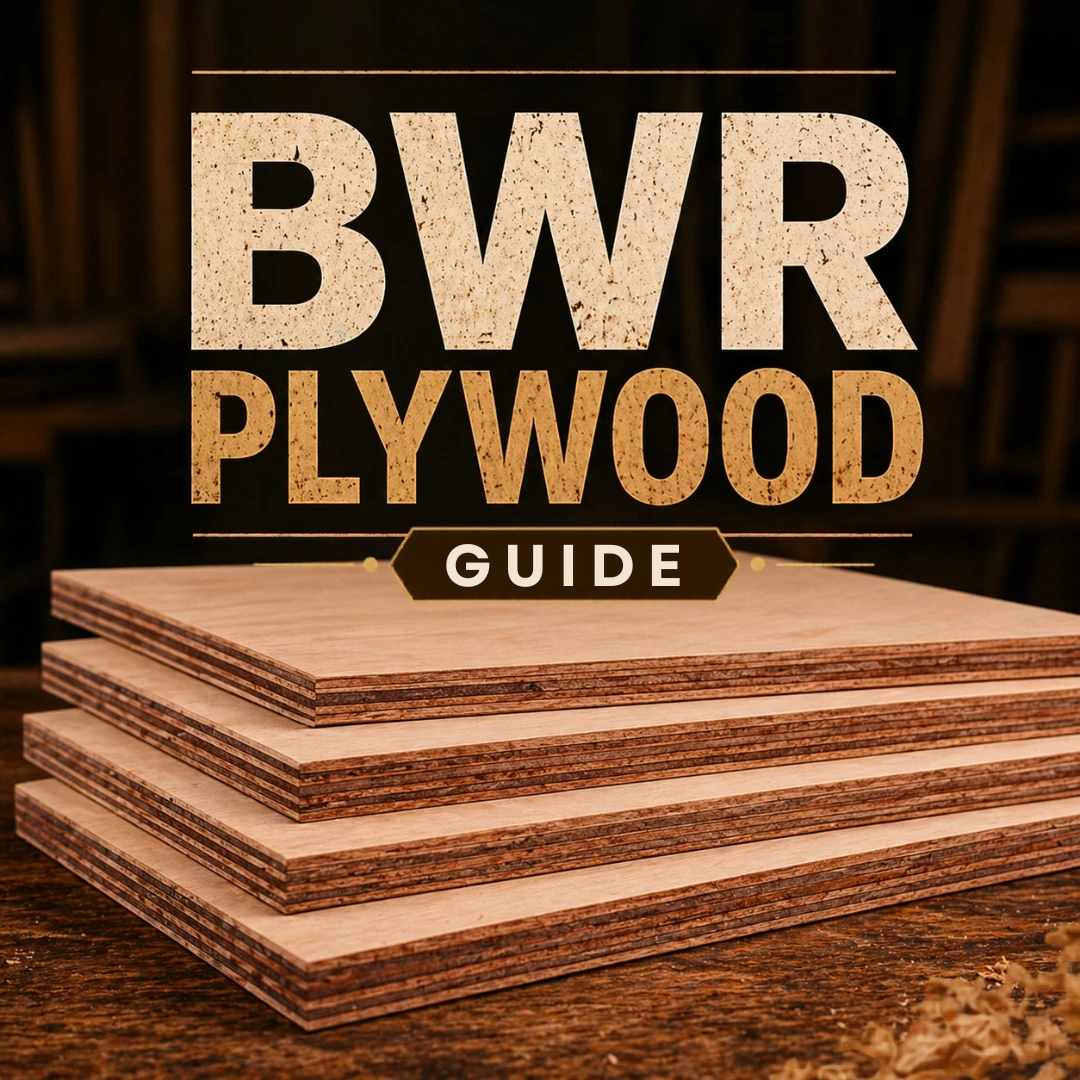
When it comes to building durable furnit...
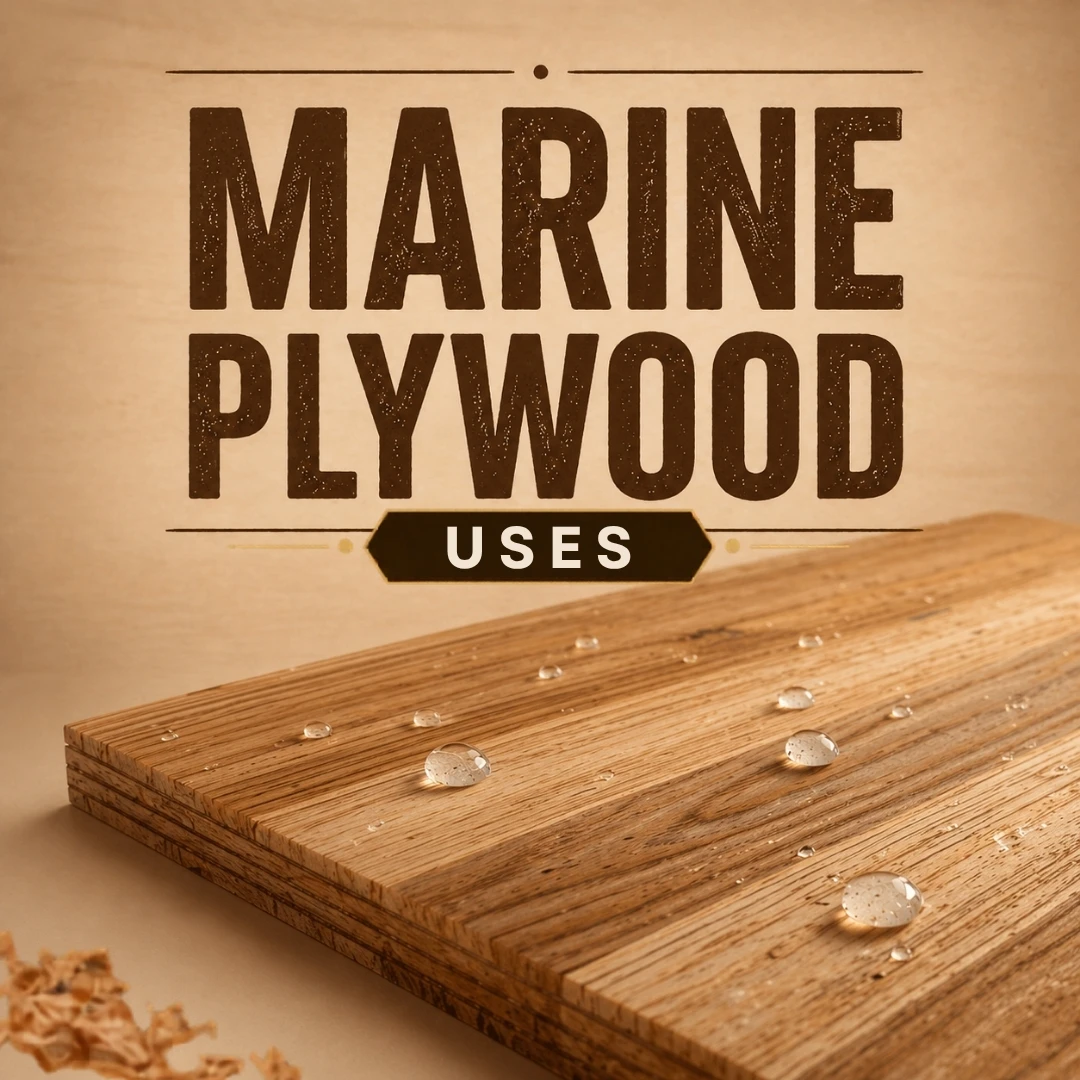
Marine plywood is one of the strongest a...
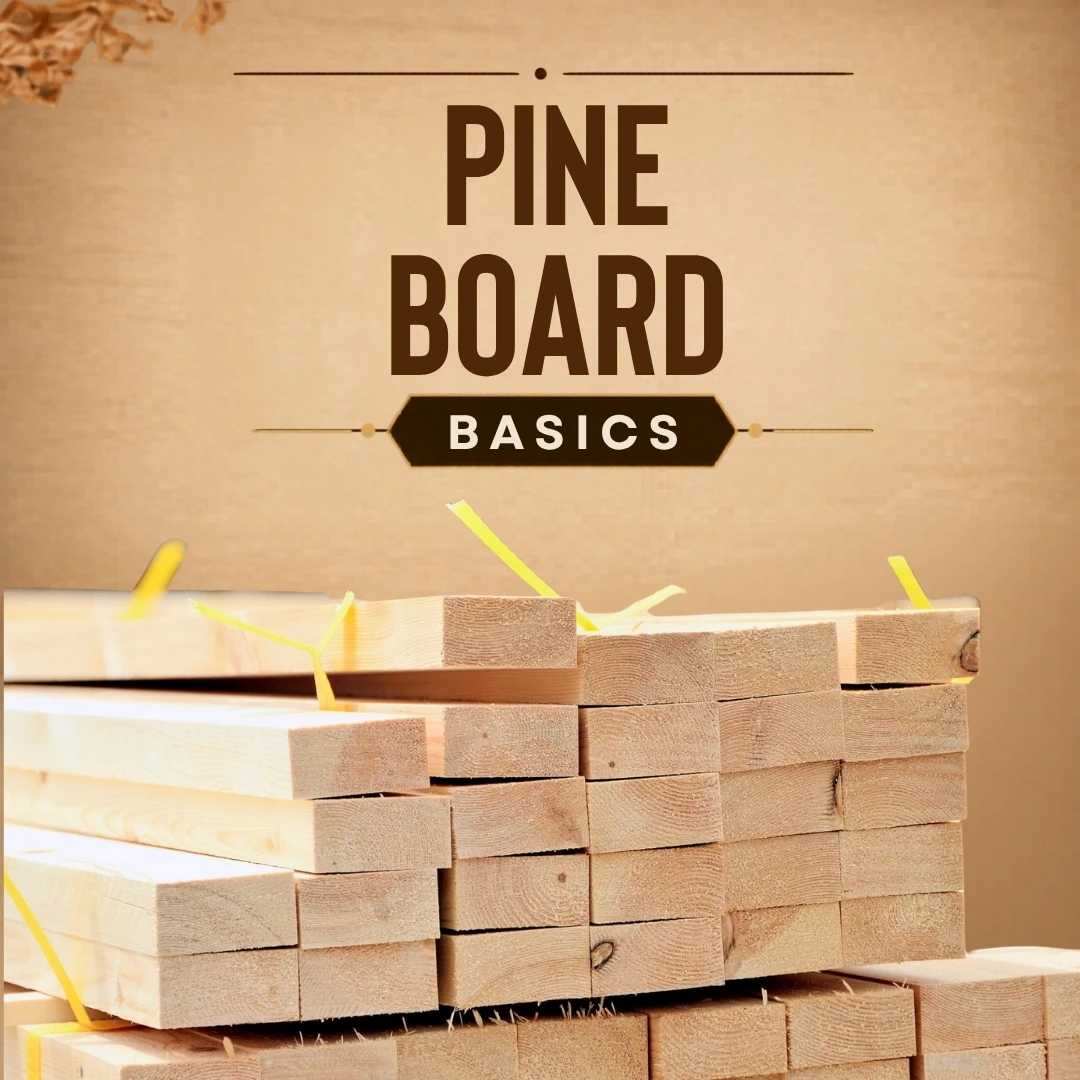
Pine boards are widely used in furniture...
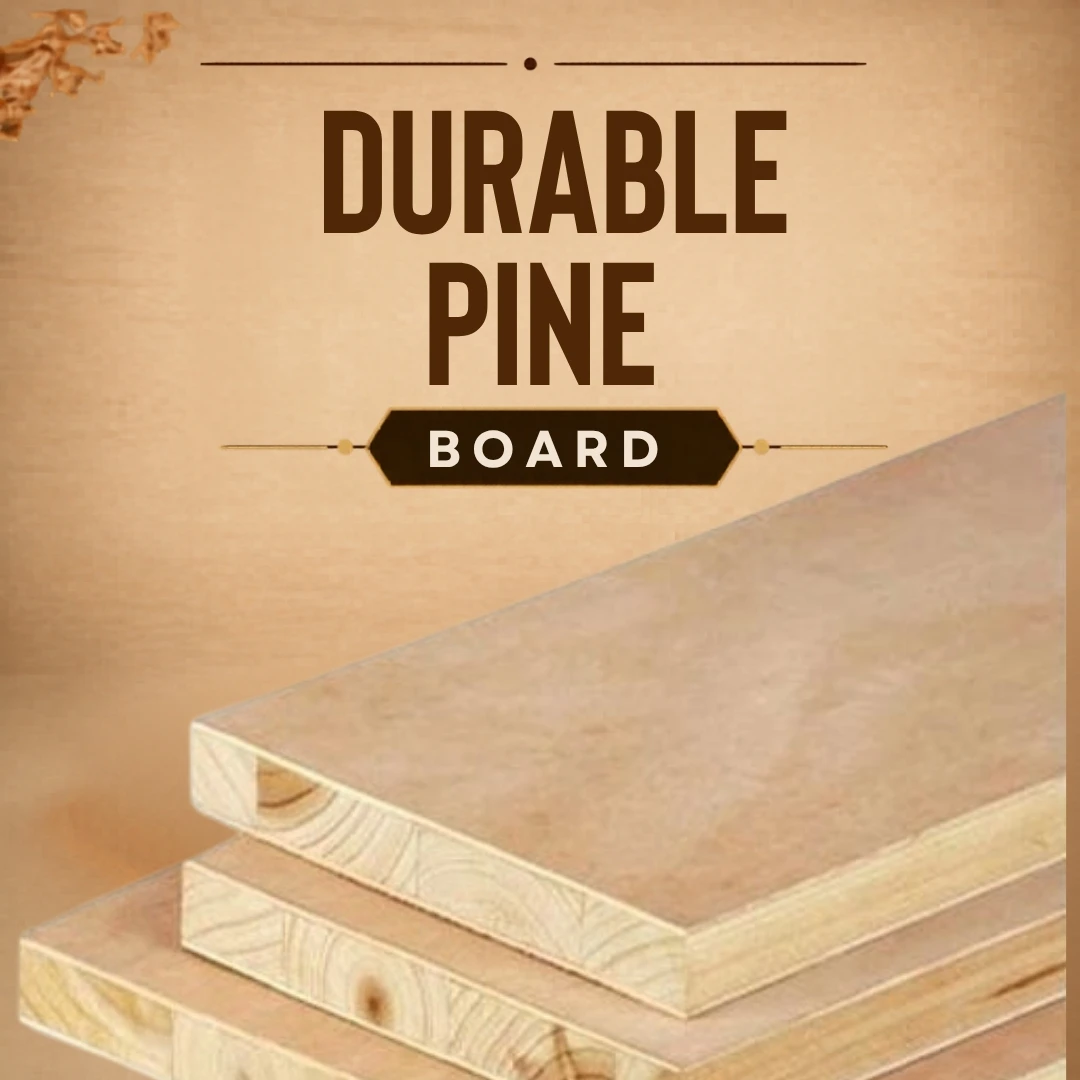
Pine boards have become one of the most...

Packing plywood is widely used in indust...
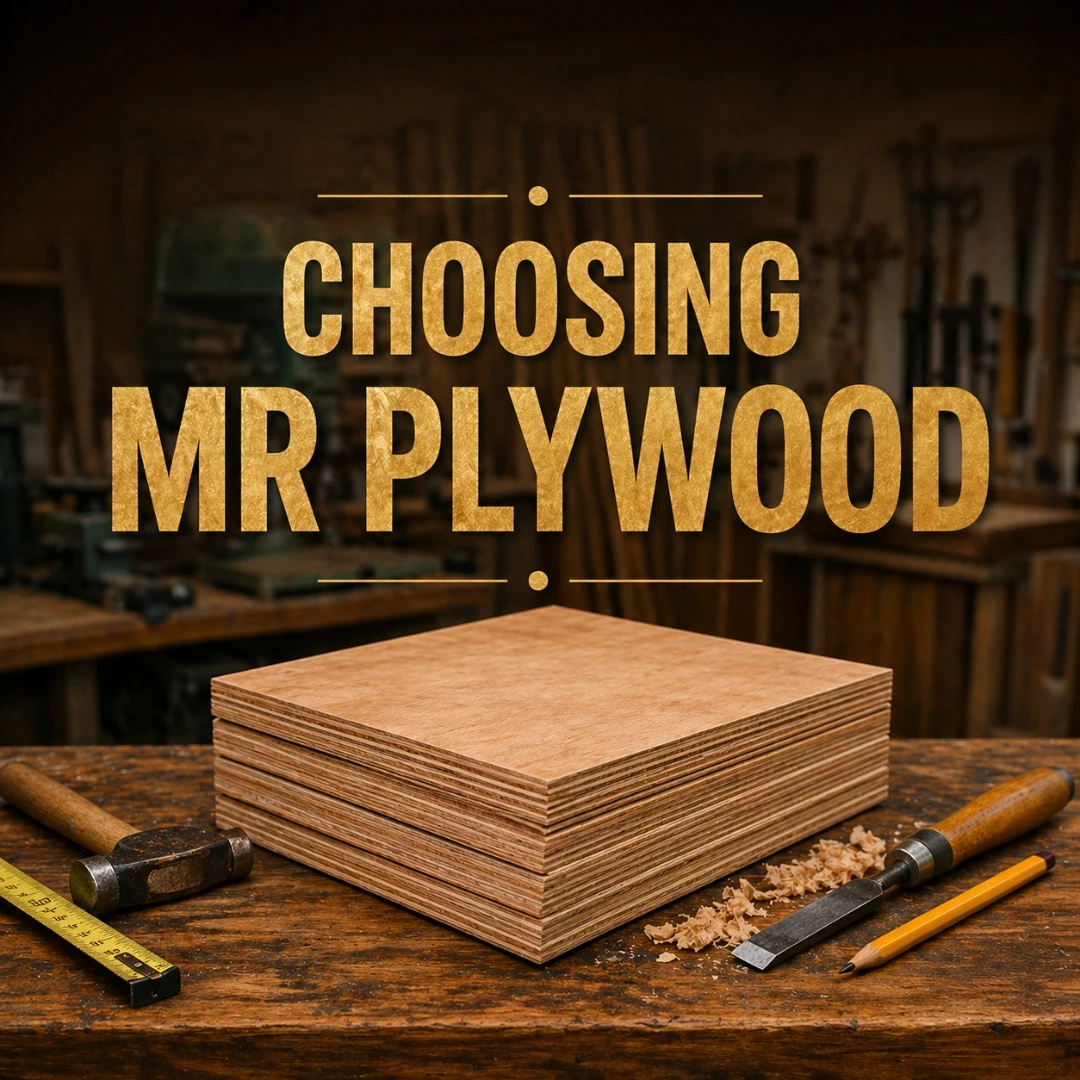
When planning home or office interiors, plywood selection plays a major role in durability, appearance, and long-term value. Among the different types available, MR plywood is one of the most commonly used options for indoor furniture and interior applications. However, many buyers choose plywood based only on price, which often leads to issues like swelling, bending, or reduced lifespan.
Understanding how to choose the right MR plywood helps ensure better performance, stronger furniture, and cost efficiency.
MR plywood stands for Moisture Resistant plywood. It is also commonly known as commercial plywood. This plywood is manufactured using urea-formaldehyde resin, making it suitable for interior applications where occasional moisture exposure may occur but direct water contact is limited.
MR plywood is widely used for:
Wardrobes
TV units
Office furniture
Wall paneling
Study tables
Bedroom interiors
Decorative partitions
It is designed primarily for indoor environments and should not be confused with waterproof plywood.
Not all MR plywood sheets offer the same quality. Low-grade plywood may initially appear cost-effective but can lead to:
Surface cracking
Delamination
Weak screw holding
Termite damage
Reduced furniture life
Choosing a reliable MR plywood ensures strength, smooth finishing, and better durability over time.
Always verify whether the plywood follows ISI standards. Certified plywood generally offers better manufacturing quality and reliability.
Look for:
ISI mark
Manufacturer details
Thickness specifications
Certified products reduce the chances of poor bonding and uneven layers.
The inner core determines the overall strength of plywood. High-quality MR plywood should have:
Uniform layers
Minimal gaps
Strong bonding
Proper pressing
Avoid sheets with visible holes, overlaps, or uneven surfaces.
A smooth and even surface is important for laminates, veneers, and polishing work. Good MR plywood should:
Have a clean finish
Be free from cracks
Offer proper edge strength
Allow easy cutting and installation
Poor surface quality often affects the final furniture appearance.
Strong plywood should not bend easily under moderate pressure. Before purchasing:
Lift the sheet to check rigidity
Inspect edges for splitting
Ensure corners remain intact
Better strength improves furniture stability and lifespan.
Although MR plywood is not waterproof, it should still resist moderate humidity and moisture exposure commonly found indoors.
Quality MR plywood performs well in:
Kitchens with limited water exposure
Bedroom furniture
Office interiors
Indoor cabinets
Avoid using MR plywood in bathrooms or continuously wet areas.
Termites and borers can damage low-quality plywood quickly. Many manufacturers offer chemically treated MR plywood for additional protection.
Ask for:
Anti-termite treatment
Borer-resistant properties
Chemical preservation details
This is especially important for long-term furniture durability.
Different furniture applications require different plywood thicknesses.
Common recommendations:
6mm: Wall paneling and partitions
12mm: Cabinets and shelves
18mm or above: Heavy furniture and wardrobes
Using incorrect thickness can weaken furniture structure.
Established plywood manufacturers usually maintain better quality standards and consistency. Before buying:
Read reviews
Compare warranties
Check market reputation
Verify dealer authenticity
Reliable brands often provide better after-sales support and durability assurance.
Extremely cheap plywood often compromises quality, durability, and bonding strength.
Some low-grade sheets may not provide actual thickness as advertised.
MR plywood handles limited moisture but is not suitable for heavy water exposure.
Weak edges indicate poor manufacturing and low structural strength.
MR plywood is ideal for:
Residential interiors
Office workstations
Decorative furniture
Indoor storage units
Wall décor installations
For outdoor or high-moisture areas, waterproof or BWP plywood is a better choice.
Choosing the right MR plywood is not just about selecting a sheet of wood — it directly impacts the durability, strength, and finish of your interiors. A good-quality MR plywood provides reliable performance, smooth finishing, and long-lasting furniture for indoor spaces.
Before purchasing, always inspect the plywood carefully, verify certifications, and buy from trusted suppliers. Investing in quality material today helps avoid repair and replacement costs in the future.
Copyright © 2026 Sangam Gold., All Right Reserved. Designed By HD Smart Media.