


When planning home or office interiors,...

When it comes to building durable furnit...
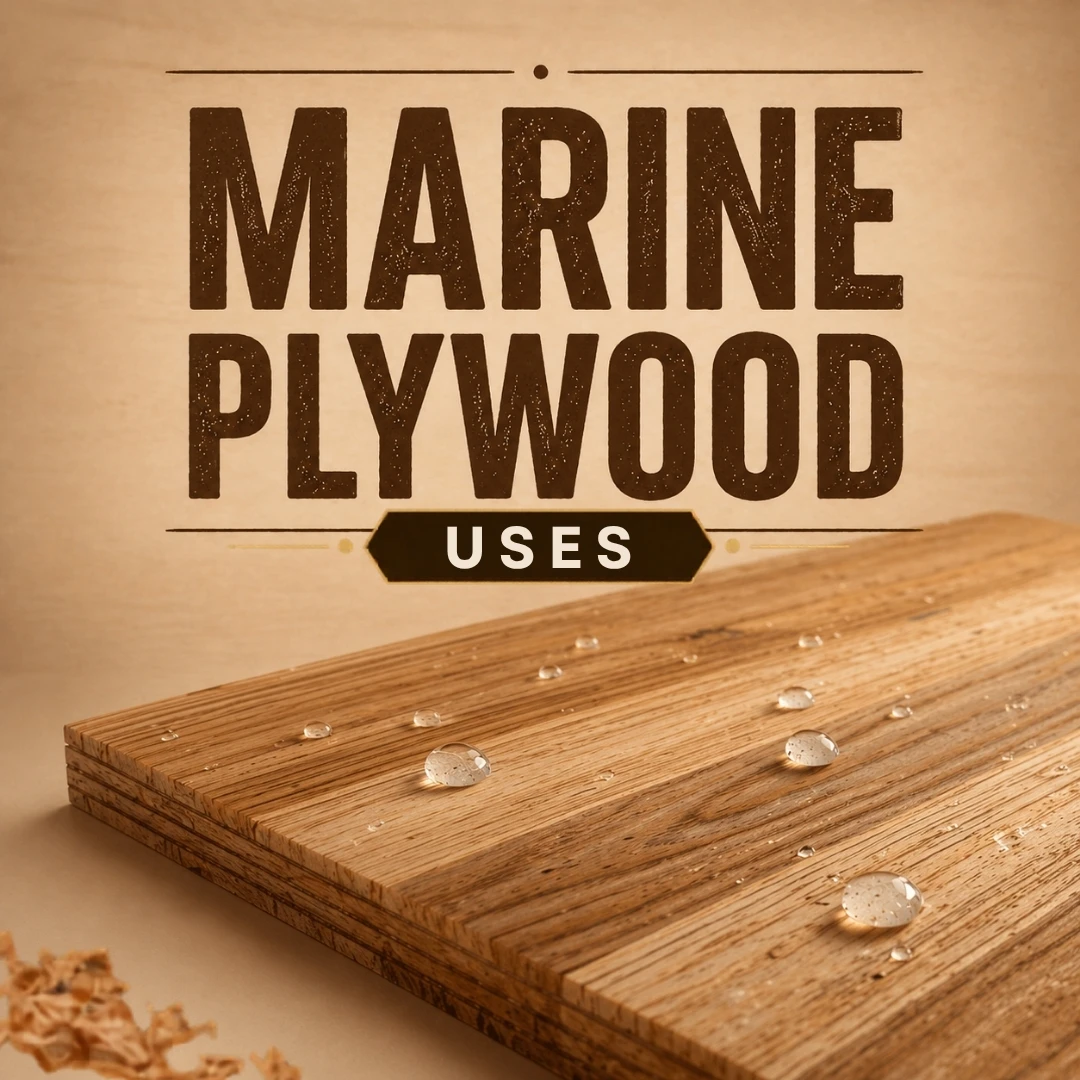
Marine plywood is one of the strongest a...
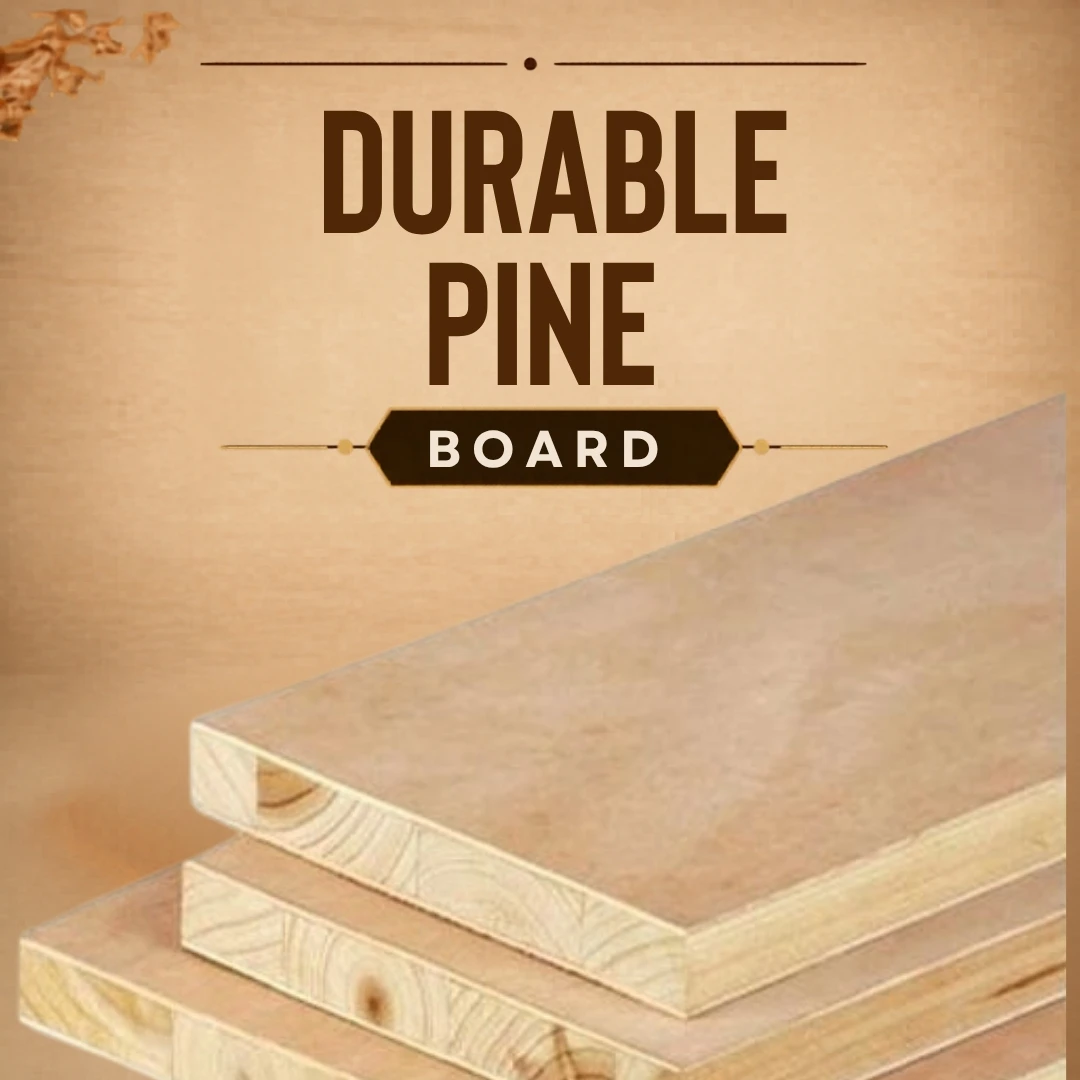
Pine boards have become one of the most...

Packing plywood is widely used in indust...
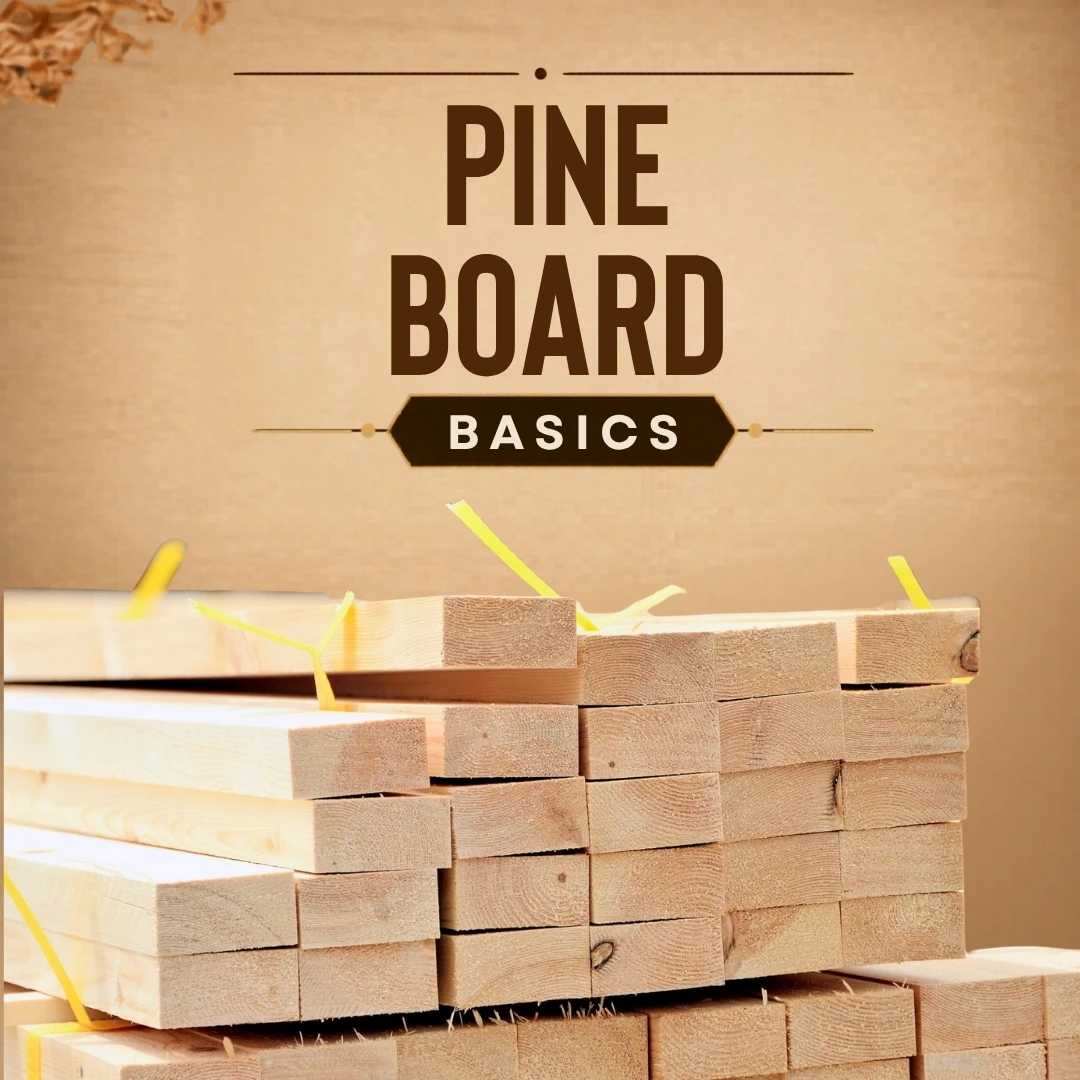
Pine boards are widely used in furniture manufacturing, interior decoration, construction, and woodworking projects because of their versatility, lightweight structure, and natural appearance. Known for their smooth texture and easy workability, pine boards are a popular choice for both residential and commercial applications.
Whether used for furniture, paneling, shelving, or decorative interiors, understanding pine board basics helps in selecting the right material for long-lasting and visually appealing results.
A pine board is a wood panel or timber product made from pine wood, which comes from softwood trees commonly found in different parts of the world. Pine wood is known for its:
Light color tone
Straight grain pattern
Smooth surface texture
Lightweight structure
Because of its balanced strength and affordability, pine is widely used in interior and furniture applications.
One of the biggest advantages of pine boards is their lightweight structure. This makes them easier to:
Transport
Cut
Install
Shape for custom furniture designs
It also reduces installation effort in interior projects.
Pine boards generally have a clean and uniform surface, making them suitable for:
Painting
Polishing
Staining
Laminating
Their attractive grain pattern also adds a natural aesthetic appearance to interiors.
Pine wood is easy to cut, drill, shape, and customize, making it highly preferred for woodworking and furniture manufacturing.
It is commonly used by:
Carpenters
Furniture manufacturers
Interior designers
DIY woodworking enthusiasts
Compared to many hardwood options, pine boards are often more budget-friendly while still offering good usability and visual appeal.
This makes them a practical option for:
Residential furniture
Decorative interiors
Shelving units
Modular designs
Pine boards are widely used for:
Beds
Tables
Chairs
Cabinets
Study desks
Storage units
Their smooth finish and easy customization support various furniture styles.
Pine boards are often used in decorative interior applications such as:
Wall cladding
Wooden paneling
Accent walls
Ceiling designs
Their natural texture creates a warm and elegant appearance.
Because of their lightweight strength, pine boards are suitable for:
Open shelves
Wall-mounted storage
Closet systems
Display racks
They are commonly used in both homes and retail spaces.
Pine boards can also be used in:
Interior doors
Door frames
Decorative trims
Wooden partitions
Their workability allows easy shaping and finishing.
Pine boards are highly popular in:
DIY furniture projects
Handcrafted décor
Art installations
Custom woodwork
Their ease of handling makes them beginner-friendly.
Pine wood offers a warm and attractive natural grain pattern suitable for modern and classic interiors.
It can be shaped, painted, polished, or stained according to design requirements.
Pine boards are suitable for furniture, decorative work, and interior construction.
They provide a balance between affordability and functionality.
The surface quality supports clean finishing and decorative treatments.
Pine wood should be properly treated or finished if used in humid environments.
Regular polishing or coating may help maintain appearance and durability.
For heavy-duty or high-moisture areas, stronger engineered wood or waterproof materials may sometimes be preferable.
The quality of pine boards directly affects:
Furniture durability
Surface finish
Structural stability
Long-term performance
Choosing reliable materials ensures better strength, finishing quality, and improved overall performance in interior projects.
For interior and furniture applications requiring dependable quality and finishing, Sangam Gold products are designed to support modern woodworking and interior requirements with durability and consistent performance.
Pine boards remain a popular choice for furniture making, decorative interiors, shelving, and woodworking projects because of their lightweight structure, affordability, and attractive appearance.
Understanding the basics of pine boards helps in selecting the right material for both functional and decorative applications, ensuring better results, improved aesthetics, and long-lasting value in interior projects.
Copyright © 2026 Sangam Gold., All Right Reserved. Designed By HD Smart Media.